Cultural perspectives on gambling How beliefs shape behaviors worldwide
Understanding Gambling Across Cultures
Gambling, often viewed as a form of entertainment, carries diverse meanings and implications in various cultures. In many societies, gambling can symbolize luck, fate, or a method of social interaction. For example, in the United States, gambling is frequently associated with recreation, with popular events like the Super Bowl drawing millions to place bets. However, in some Asian cultures, gambling is closely intertwined with rituals and ancestral beliefs, particularly during festive seasons, where the stakes might reflect familial honor or prosperity. Platforms like maxispin casino australia illustrate how modern gaming engages players with these diverse views.

Moreover, these cultural differences in perspective shape not only the frequency of gambling activities but also the types of games played. In Western cultures, casino games such as poker and blackjack dominate, while in countries like China, traditional games like Mahjong or Sic Bo are prevalent. This preference influences social dynamics, as communities gather around these games, reinforcing cultural ties and shared beliefs about luck and chance.
Understanding these cultural contexts is crucial for grasping the broader implications of gambling behavior. In societies where gambling is viewed positively, it can lead to increased participation and even community events, while in cultures that perceive it negatively, there may be strict regulations or social stigmas attached to gambling. Such beliefs ultimately shape how gambling is integrated into daily life and the various societal attitudes that evolve around it.
The Role of Religion and Beliefs
Religion plays a significant role in shaping attitudes toward gambling across different cultures. In many Western societies, particularly those influenced by Christianity, gambling is often viewed with suspicion. The belief that it leads to vice and moral degradation can result in community opposition to gambling establishments, leading to restrictions or outright bans. Conversely, in some religious traditions, gambling is accepted or even encouraged as a test of faith and chance, illustrating the complexity of moral interpretations surrounding the activity.
In contrast, in countries like India, where Hinduism predominates, gambling has cultural roots that tie it to various festivals and rituals. Games of chance during these events are seen as a way to honor deities and seek blessings for prosperity. Here, gambling is less about financial gain and more about social cohesion and cultural identity, highlighting how religious beliefs can modify the landscape of gambling practices.
The interaction between religion and gambling behavior is multifaceted. In some cultures, religious leaders may actively discourage gambling, creating a community ethos that shuns the activity. In others, local traditions that incorporate gambling may become rituals that foster unity and social belonging, demonstrating that beliefs can both restrict and promote gambling within different societal frameworks.
Economic Factors and Gambling Behavior
The economic context of a society heavily influences its gambling practices. In wealthier nations, like Australia and the United States, the gambling industry thrives, supported by robust tourism and entertainment sectors. These economies often promote gambling as a lucrative business, generating significant tax revenues that can benefit public services. The presence of numerous casinos, online gaming platforms, and sports betting options is a testament to how economic prosperity encourages the normalization of gambling.
On the other hand, in developing countries, gambling may serve as a means of financial escape for individuals facing economic hardship. For example, people might engage in betting as a last resort to improve their financial situations, viewing it as a potential lifeline. However, this can lead to problematic behaviors and addiction, prompting discussions about the need for responsible gambling measures to protect vulnerable individuals in these contexts.
The economic implications of gambling extend beyond individual behaviors and influence policy-making. Governments may regulate gambling operations to strike a balance between allowing entertainment and ensuring social welfare. This regulation often reflects cultural attitudes towards gambling, showcasing the need to navigate complex economic and social landscapes to develop responsible gambling frameworks that consider the diverse perspectives and beliefs within society.
The Psychological Aspects of Gambling
Psychological factors significantly shape gambling behaviors across cultures. For many, gambling fulfills various psychological needs, such as the thrill of risk-taking or the excitement of potential rewards. This psychological allure is often influenced by cultural beliefs about luck and fate, which can differ significantly worldwide. For example, cultures that emphasize individual achievement may encourage people to view gambling as an opportunity for personal success, while collectivist societies may focus on the communal aspects of gambling, where wins are shared among family or community members.
Additionally, the psychological impact of gambling can be profound, leading to addiction or compulsive behaviors. In cultures where gambling is socially accepted, individuals might feel less stigma in seeking help for gambling-related issues. In contrast, in cultures where gambling is seen as immoral, individuals may suffer in silence, further complicating their psychological health. Understanding the interplay between cultural beliefs and psychological factors is essential for addressing gambling behaviors and promoting healthier attitudes.
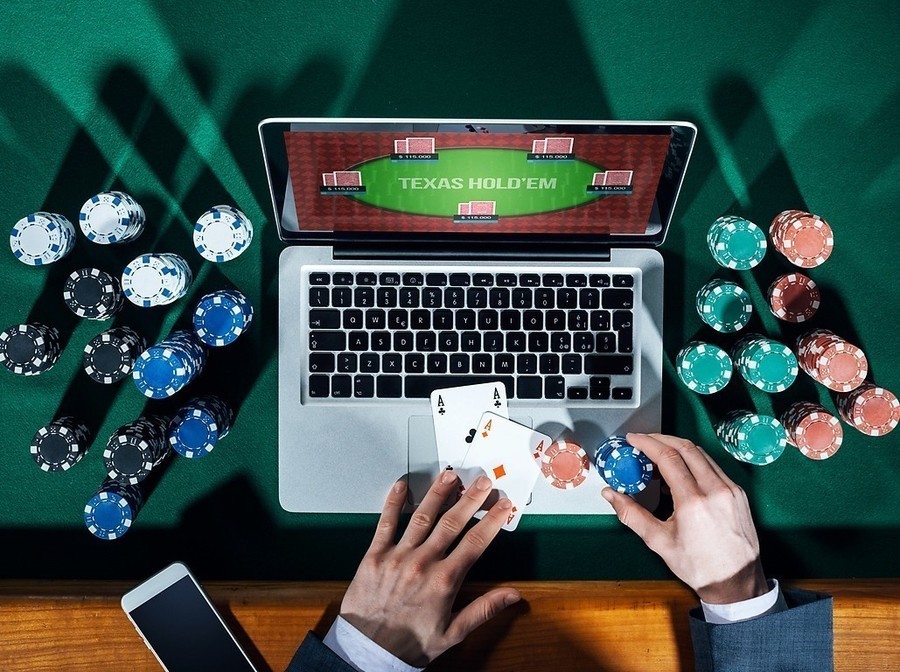
Furthermore, the advent of online gambling has transformed the psychological landscape of betting. With the convenience of accessing games from home, individuals may face increased temptation, making it crucial for communities to educate themselves about the risks involved. Cultivating a healthy relationship with gambling that considers psychological and cultural dimensions can foster better understanding and responsible practices within diverse populations.
MaxiSpin Casino Australia and Cultural Perspectives
MaxiSpin Casino Australia reflects a modern approach to gambling by embracing a diverse range of cultural perspectives. By offering a variety of games that cater to different tastes and preferences, it acknowledges that players come from unique backgrounds that shape their gambling behaviors. The platform creates an engaging environment for Australian players, emphasizing user convenience with features that promote responsible gambling.
Through its focus on secure payment options and competitive banking solutions, MaxiSpin respects the financial concerns that may come with gambling. It aims to foster an atmosphere where players feel comfortable exploring gaming options while maintaining control over their spending. By providing resources and support for responsible gaming, the platform recognizes the importance of considering cultural attitudes toward gambling and the potential impact on players’ behaviors.
As gambling evolves globally, platforms like MaxiSpin Casino Australia illustrate how understanding cultural perspectives can enhance the gaming experience. By prioritizing responsible practices and accommodating diverse beliefs, they contribute to a healthier gambling environment that respects individual choices while promoting positive community standards.
